Core Curriculum For The Dialysis Technician.pdf Official
In this article, we will explore the evolution of this essential guide, break down its core modules, discuss how to obtain the most current version, and examine its critical role in certification and professional development. The most recent text is the , which has been updated to reflect modern practices and technologies.
The curriculum is traditionally divided into distinct modules that guide a learner from fundamental biological concepts to complex technical troubleshooting. Module A: Kidney Anatomy and Physiology
This is for informational purposes only. For medical advice or diagnosis, consult a professional. AI responses may include mistakes. Learn more Share public link Core Curriculum For The Dialysis Technician.pdf
Read a chapter before you practice that skill on the clinic floor.
Maintaining patient confidentiality and fostering a compassionate environment. Importance of a Standardized Curriculum In this article, we will explore the evolution
Do you need a (like Water Treatment or Vascular Access)?
Note: The official, up-to-date versions, workbooks, and digital modules are best accessed directly through authorized medical bookstores or the Medical Education Institutes (MEI) official portal. 4. Preparing for National Certification Module A: Kidney Anatomy and Physiology This is
The text aligns closely with the exam blueprints of the two major certifying bodies in the United States: (Board of Nephrology Examiners Nursing and Technology) and CHTC (Nephrology Nursing Certification Commission). Its primary goal is to ensure patient safety, technical proficiency, and a deep understanding of the complexities of kidney failure.
Safely removing needles, ensuring proper hemostasis (bleeding cessation), recording final weights.
If you're looking for the , I can help you find links to reputable training programs or national associations that provide them.

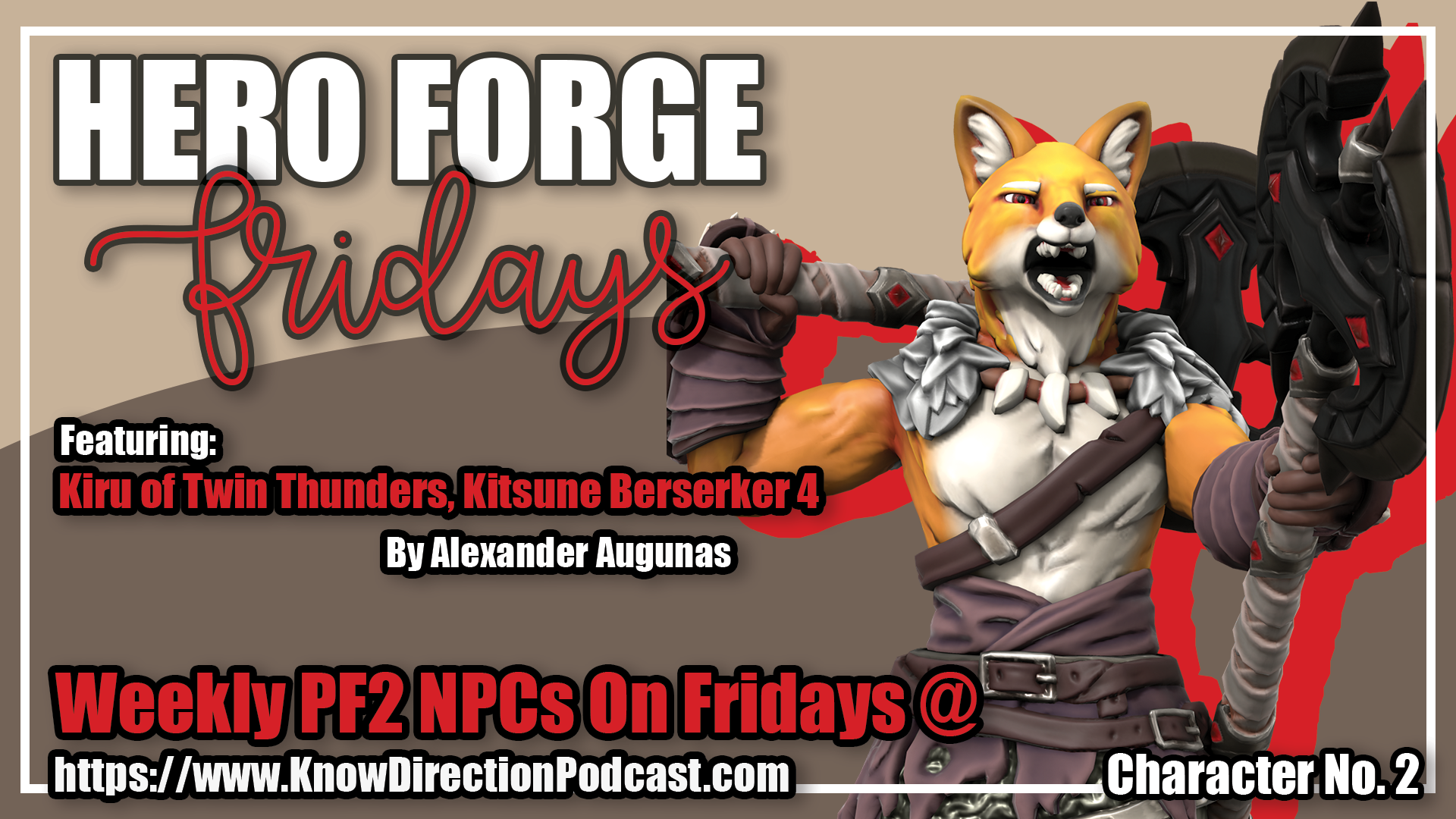
Looks like a cool build. Personally I hadn’t heard about Shaman King so I learned something knew. What I’m exited to see is Robin Hood using toxophilite or hooded champion ranger archetypes or some adventure time stuff.
If you look through the Iconic Design archives, I’ve done Princess Bubblegum and Ice King so far.
Added to my Iconic Design candidates list!
I’d really like to see build for the shieldmarshal PrC (Paths of Prestige). I assume a mix of ranger and gunslinger levels, but that might be a trap I’m not seeing.
Noted!
I can’t take, Weapon Focus: katana (1st), no BAB! or weapon proficiency! ???
You’re right that you can’t take it at 1st level (and the guide has been updated accordingly), but the weapon proficiency thing isn’t a problem. You can pick a feat whose prerequisites you meet only sometimes, for example, a barbarian with Strength 11 can take Power Attack even though she doesn’t qualify for it unless she’s raging. Similarly, you can pick Weapon Focus (katana) even though you only qualify for it when you’ve manifested your ancestral weapon as a katana.
If that ruling bothers you, you could also take the Heirloom Weapon trait and pick the katana. It’ll make you proficient with the katana as a two-handed weapon (since its martial), but not as a one-handed weapon (as that’s exotic). Alternatively, you could build Yoh as a dwarf or a kitsune, as those races have a 1/4 oracle favored class bonus that grants them proficiency with one weapon of their choice. Pick any weapon you want when you first take Weapon Focus at Level 3, then retrain the feat to the katana at Level 4 after you gain the bonus. (Of course, if you went dwarf or human, you’d lose one of the Extra Revelation abilities. I’d pick voice of the grave myself.)
I looked at doing this as a Kitsune, or Tengu, or Half-Elf. I think a Kitsune would work, I assume you would agree, I just need to stat it out.
I’m not familiar with that ruling? Nor would Heirloom Weapon work, for me, without that ruling.